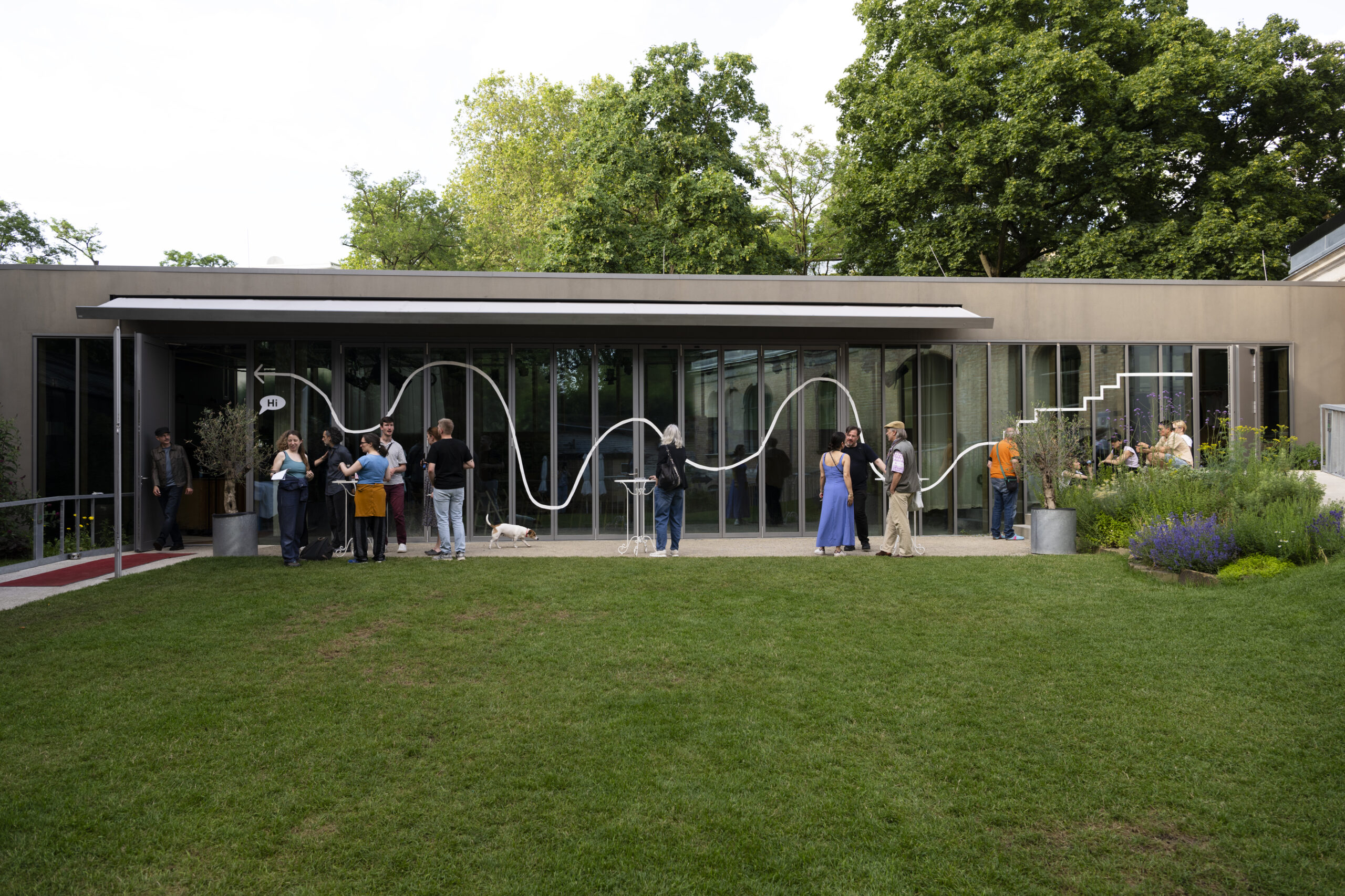
How can cultural spaces become more accessible for everyone? In the “Designing Access“ project, students from KISD and Code & Context have developed an inclusive system that combines visual, tactile, and auditory forms of orientation. The prototypes were presented on June 16, 2026 at the Orangerie Theater Cologne.
Orientation systems in public spaces are designed to enable people to move around safely and independently. Tactile patterns in the flooring, visual contrasts and acoustic signals can be particularly helpful for people with disabilities. However, such integrated systems are still rarely found. In the project “Designing Access”, students from KISD and Code & Context have jointly developed an orientation system that combines visual, tactile and auditory elements, thereby addressing different modes of perception for people with disabilities.
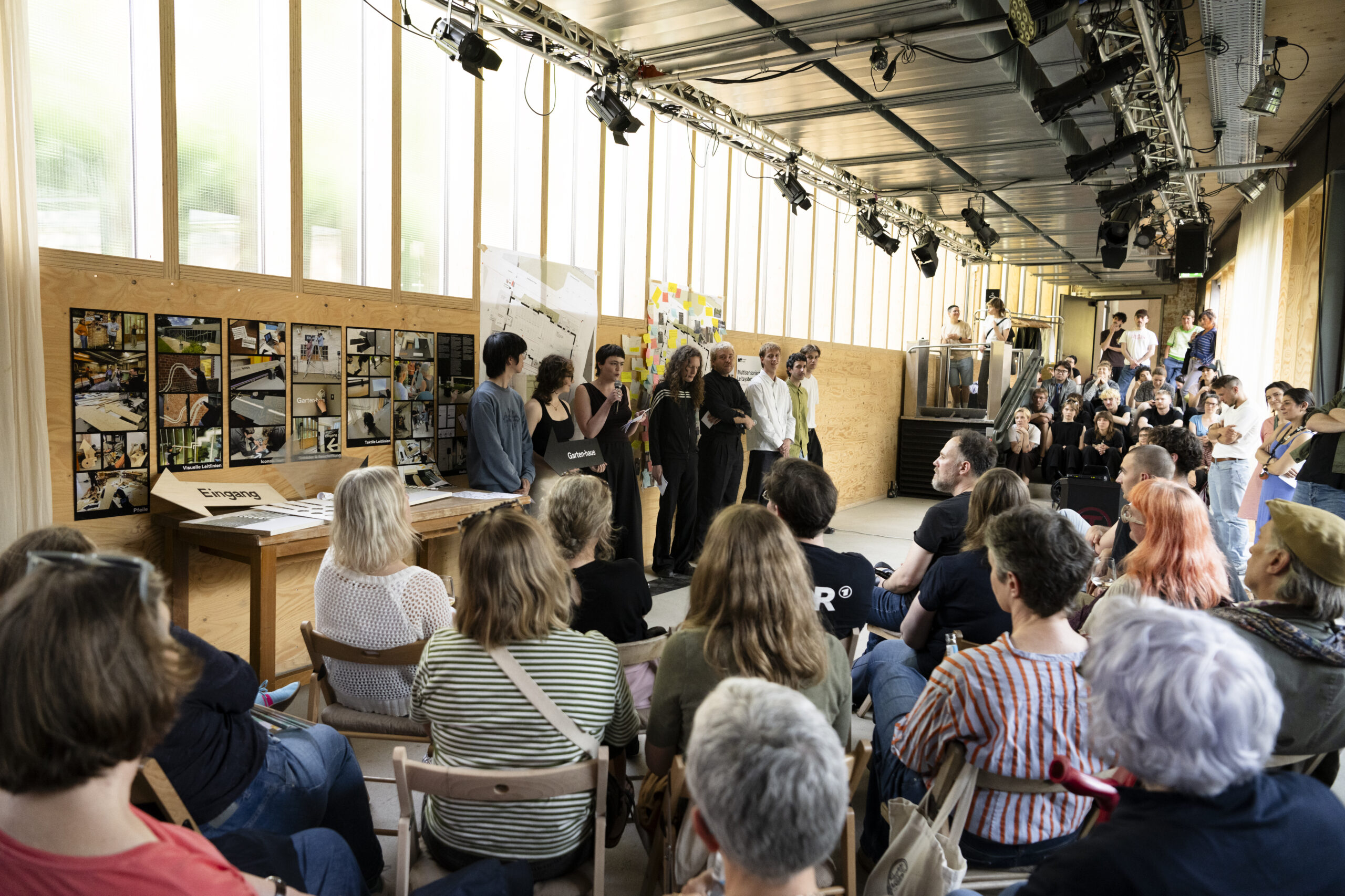
In a participatory design setting, experts with disabilities from Un-Label, a non-profit focusing on inclusive art and cultural projects, and from TH Köln (from the Bildungsfachkräfte team) were contributing their expertise and perspectives on disability. The project was funded by the Transfer Fund of TH Köln and the Kämpgen Foundation.
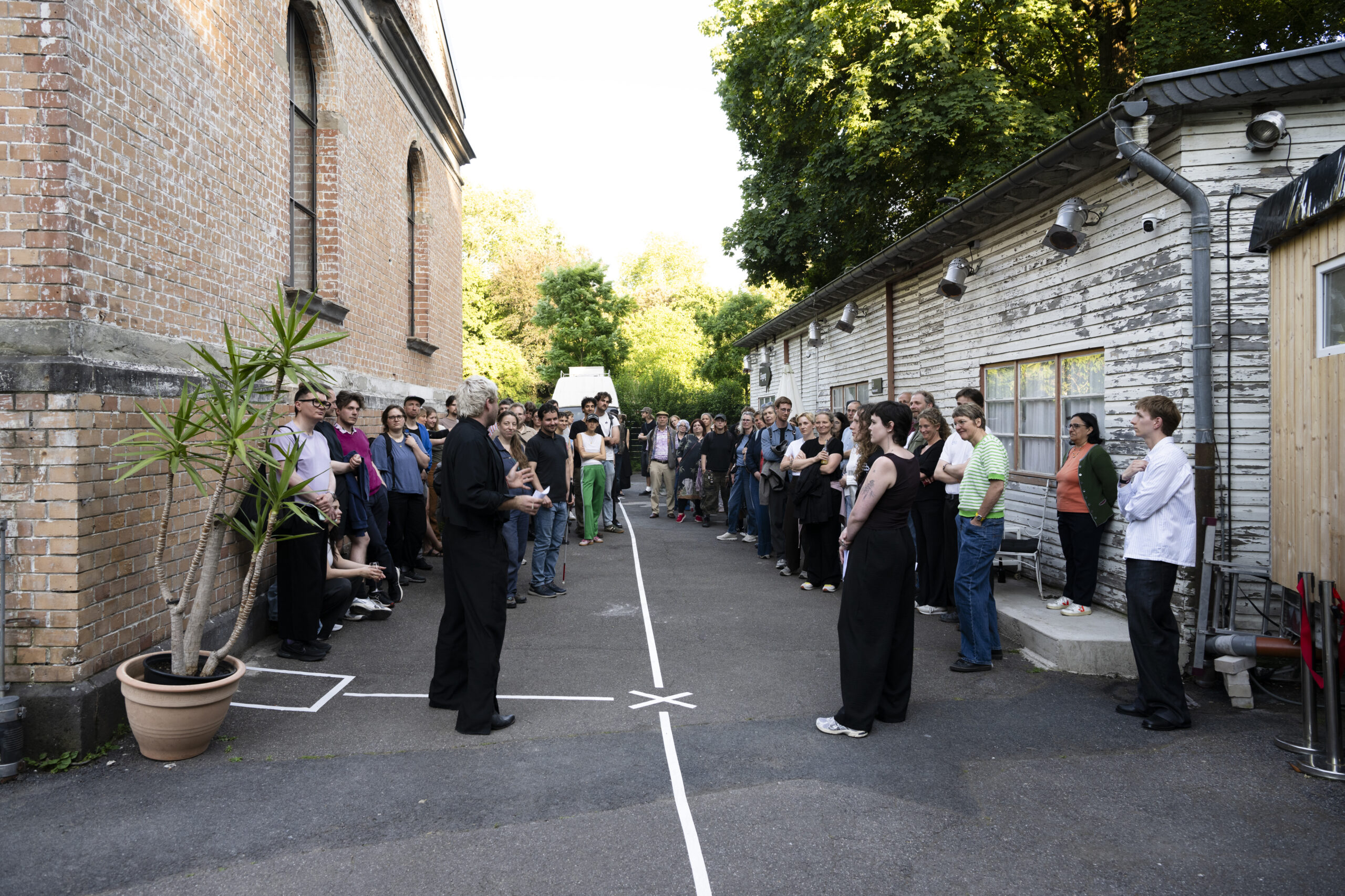
Following the evaluation of the prototypes, a grant application will be submitted for the actual implementation of a orientation system at the Orangerie Theater. The final model is intended to be adaptable to other cultural venues and to serve as a blueprint for inclusive orientation systems within the cultural sector.
Photos by Anette-Etges/Un-Label 2026